The participatory project Kladno Steel Stories Telling connects the personal memories of Kladno's inhabitants with broader reflections on collective memory, the right to the city, and steel as both the material and symbolic infrastructure of industrial techno-progressivism shared by both capitalism and state socialism. Through fragmented narratives unfolding across video and exhibited objects, the project brings back into focus the people whose labour and everyday lives shaped the identity of Kladno without becoming part of its official history. It understands the post-industrial landscape and human bodies as porous archives in which the trajectories of steel, labour, care, and environmental transformation intersect.
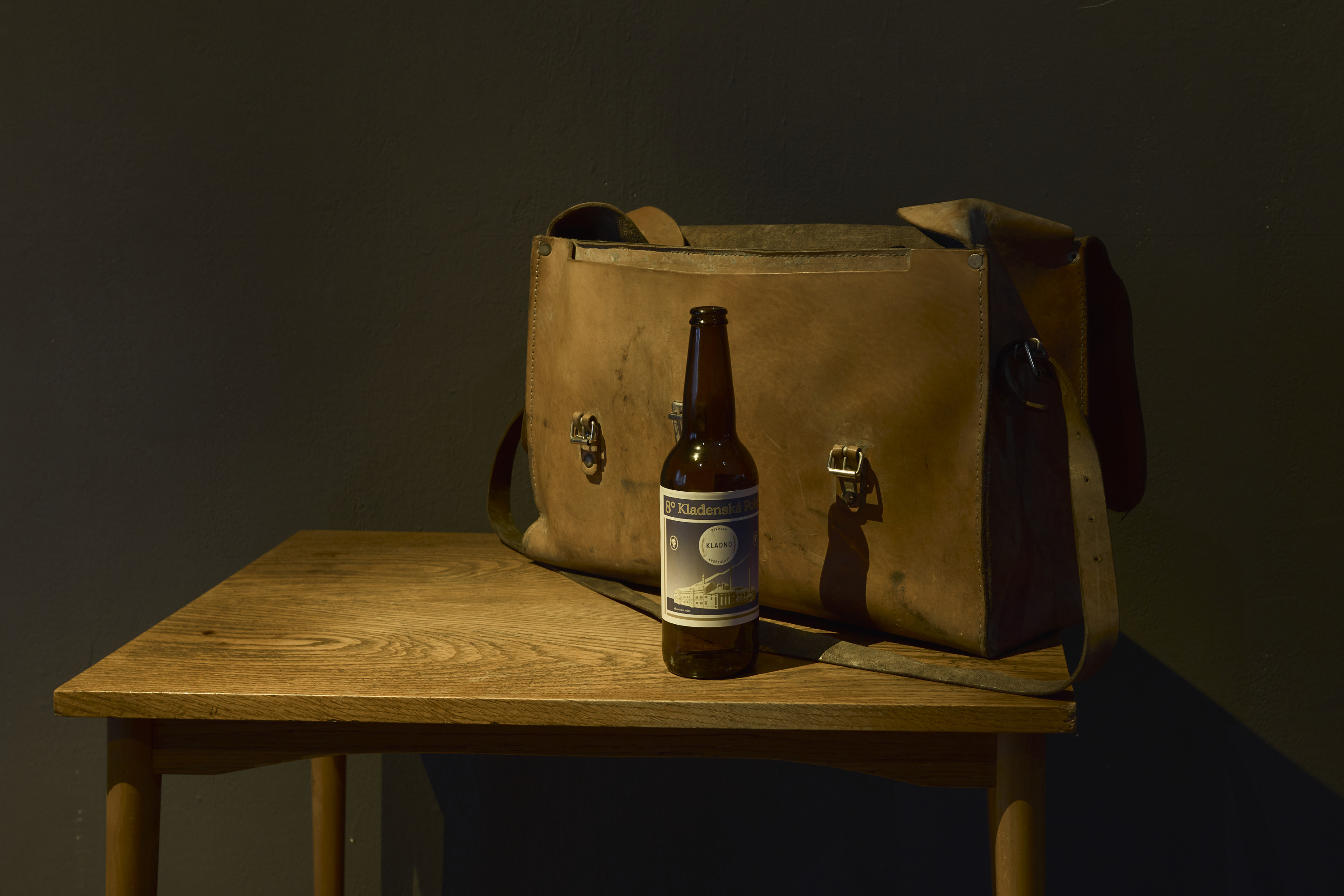 A Bag of Sixteen Beers
At Poldi, an eight-ounce beer was considered a protective drink.
“I knew that if I went there around nine, the canteens would be packed. They worked for thirty minutes at a stretch and drank two beers while they were at it. Sixteen beers per shift. They stank, sweated it all out, didn’t even go to the toilet. You couldn’t drink the water.”
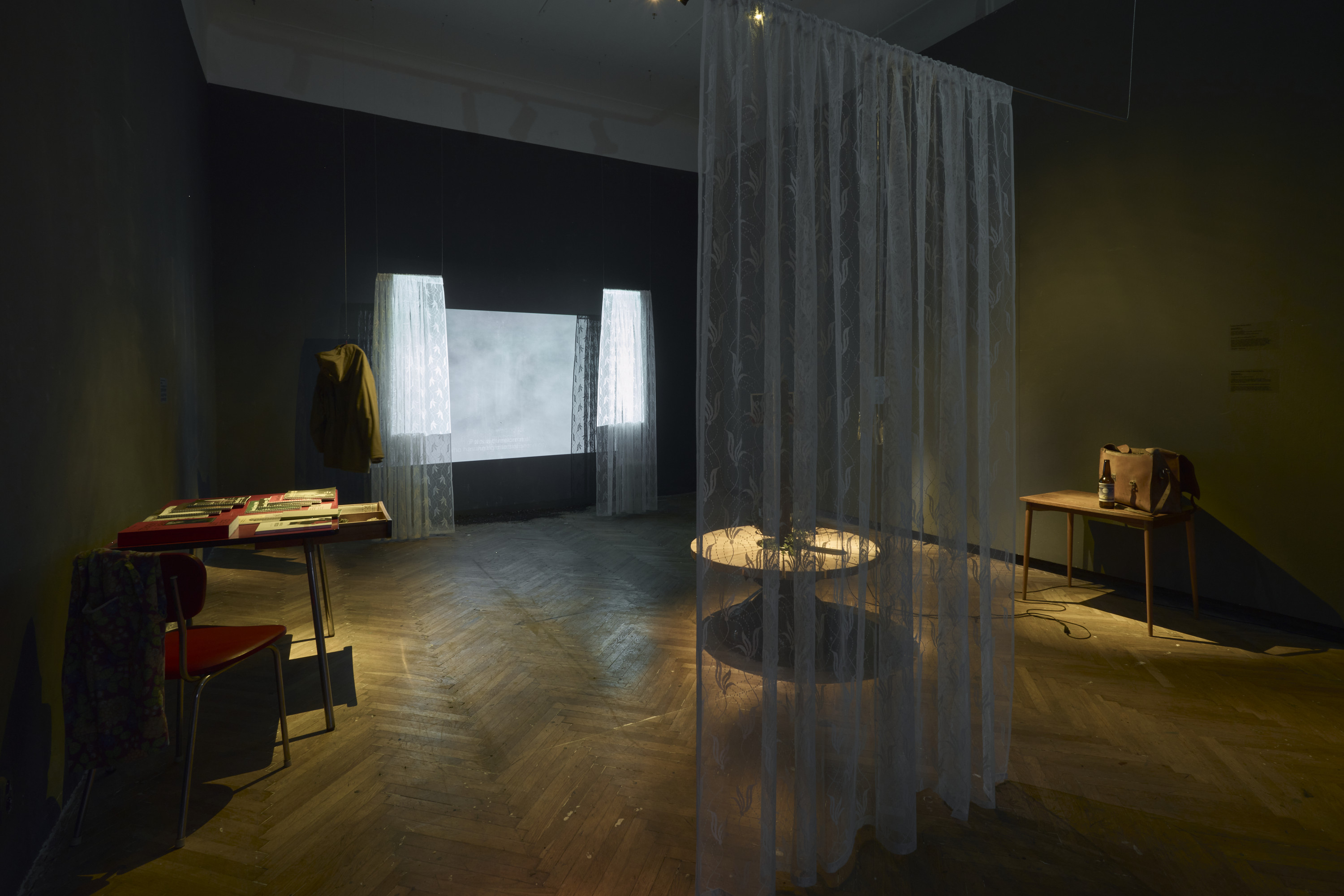 Work at Poldi was written into women’s bodies, but also into their everyday lives. The dirt from production was carried home, into the streets, and into the canteen.
“I wanted to go to the canteen for lunch and I was dirty. So I wore one of those work coats of theirs whenever I went somewhere. There weren’t any sidewalks, not at all, and by evening the snow was black.”
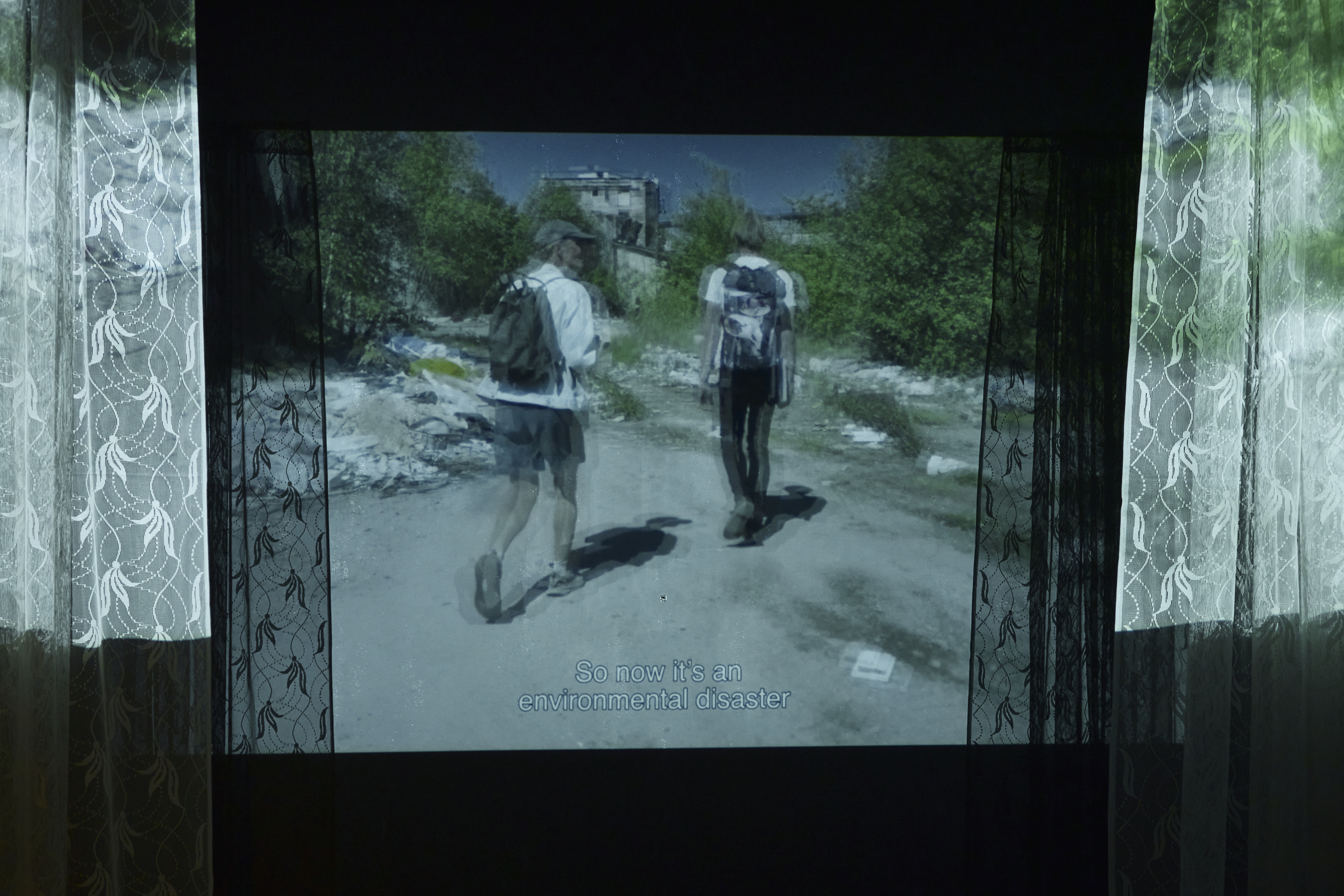
Iron ore, ferroalloys, limestone, coke, coal and slag – ’cundr’, as slag was called at Poldi – were essential materials for the steelworks. In children’s eyes today, however, it is not waste but diamonds, especially ’cundr’, which glitters.
Poldi was also a trajectory running through Kladno, continuing at home in the hands of women: the second shift.When Poldi fell silent, a fence grew between the factory and the city. A place full of relationships and memory became a non-place: it is here, but no longer part of everyday life.Its past is everywhere. Only its present is missing.
And that is precisely why we go there – to imagine what this place might become again, once the pollution of the ground has been taken care of.The Imaginative Park is not a return to the past. It is a way of taking the space back, for a moment, and asking what could exist here.
The park grows out of what remains: steel, stories, work, women, bodies, landscape, and all the overlooked layers of Kladno.It is a gesture against waiting for someone else to decide Poldi’s future. To enter, to stop, to sit down, to talk and to imagine means to become present again.
In collaboration with:
Miluše Vášová
Michal Voborník (Mikiri)
Sochrova Válcovna
Beznoska
Tomáš Voldráb (The Sládeček Museum of Local History)
Halda Publishing House
Kladno Kročehlavy Brewery
SK Kladno
Sokol Kladno Cinema
The City of Kladno
Jaston
Art Bois
The participants of the Poldi Park Opening
The IF LAB crew
Thank you.