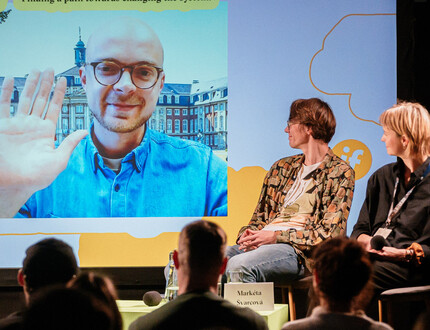
Participants of the 2025/2026 edition and exhibiting artists
Clara Baj (FR/BE) – visual anthropologist, documentary filmmaker, and curator
Daniela Brill Estrada (CO/AT) – visual artist and researcher
Penelope Cain (AU/NL) – visual artist, biologist, and researcher
Imke Hullmann (DE/NL) – urbanist, architect, and researcher
Karl Kaisel (EE) – visual artist and filmmaker
Seta Astreou Karides (CY) – visual artist and performer
Magda Kopańska (PL/AT) – social anthropologist
Markéta Švarcová (CZ) – sociologist and researcher
Mana Tashakorinia (IR/FI) – filmmaker and researcher
Programme tutors: Lenka Hámošová, Lenka Vráblíková
Coordination & co-curatorship: Šárka Zahálková
In collaboration with:
Inspiration Forum: Tereza Swadoschová, Nikol Halamásková, Eliška Brožová, Mia Kordová
Kersnikova Institute: Sandra Sajovic, Jurij Krpan
Sensorium: Juraj Hoppan, Michaela Kaliska
Display: Zbyněk Baladrán, Venuše Al Ali Tesner, Tereza Jirmusová
The Vysočina Regional Gallery in Jihlava: Lucie Nováčková
Guest lecturers: Mária Beňačková Rišková, Martina Cáhová, Kevin Chen, Ida Hiršenfelder, Krater Collective, Jaroslav Kyša, Michal “Mižu” Mitro, Dmitry Morozov, Igor Rjabinin, Marika Smreková, Boris Vitázek
Photography: Lukáš Veselý (exhibition documentation)
Graphic Design: Klára Zahrádková
Trajectories Timeline
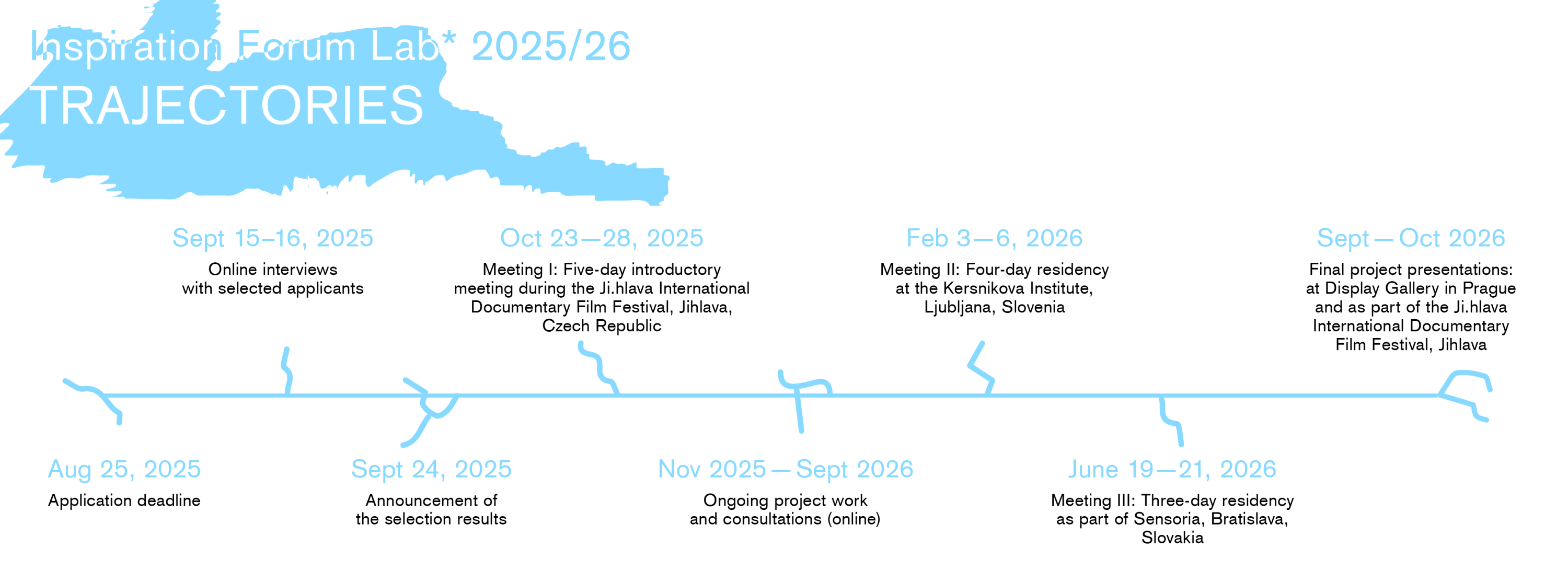
Open call: Trajectories: Dynamics of Movement in Time and Space | deadline: 25 August 2025
Opening meeting during IDFF Ji.hlava (Jihlava, Czech Republic) | 23–28 October 2025
Second meeting at Kersnikova Institute (Ljubljana, Slovenia) | 3–6 February 2026
Third meeting during the Sensorium Festival (Bratislava, Slovakia) | 19–21 June 2026
Exhibition Inspiration Forum Lab: Trajectories at Display (Prague, Czech Republic) | 16 September–25 October 2026
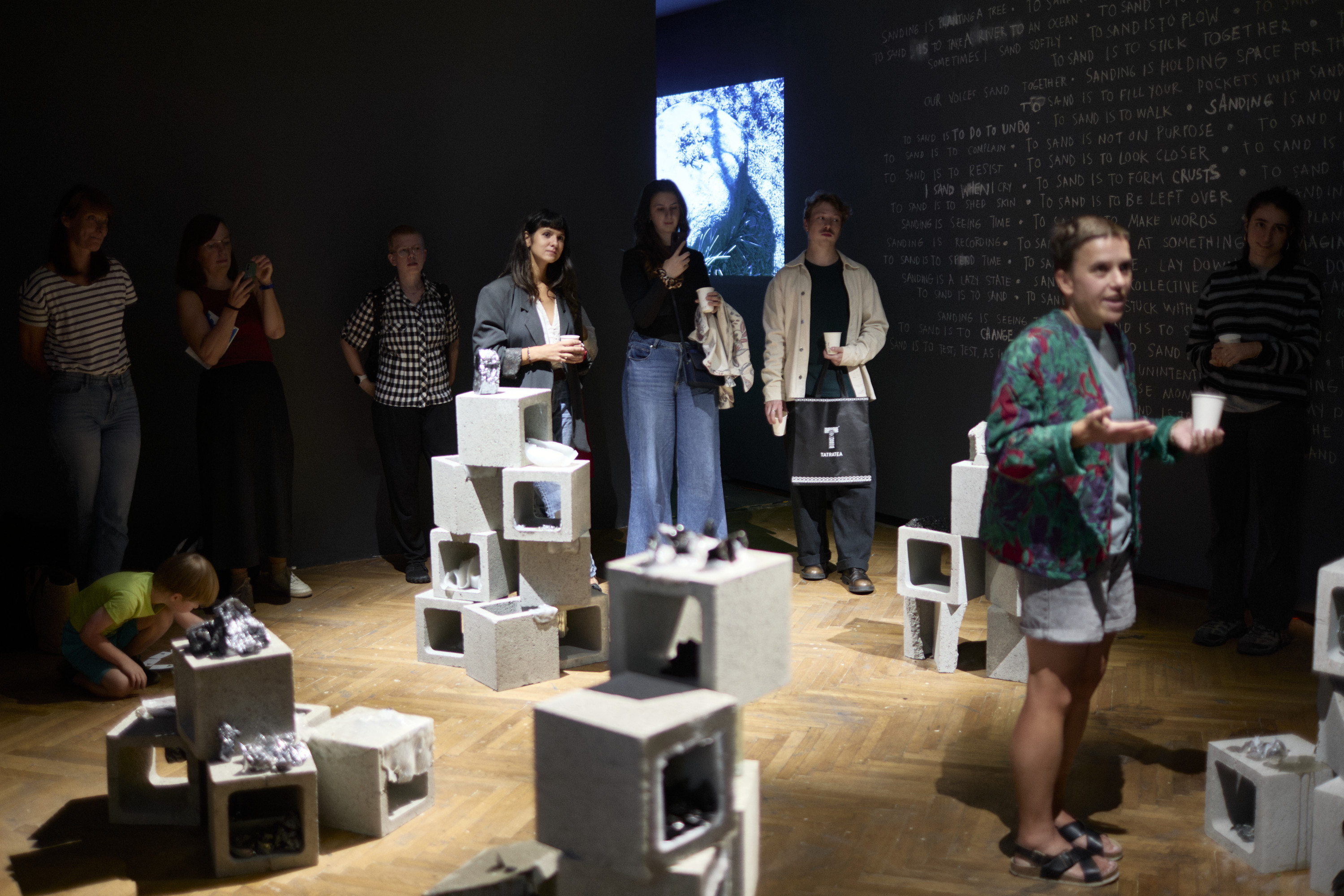
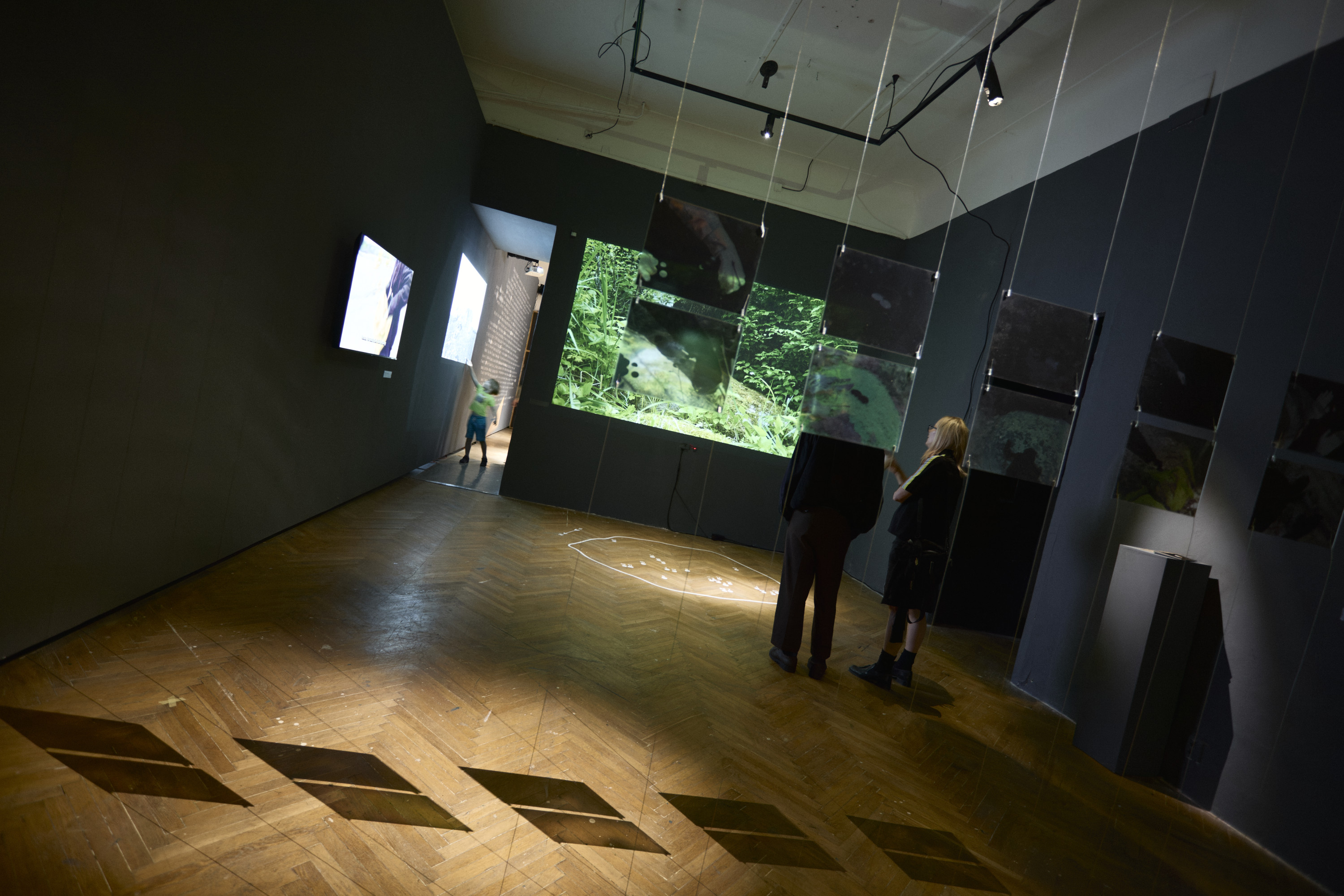
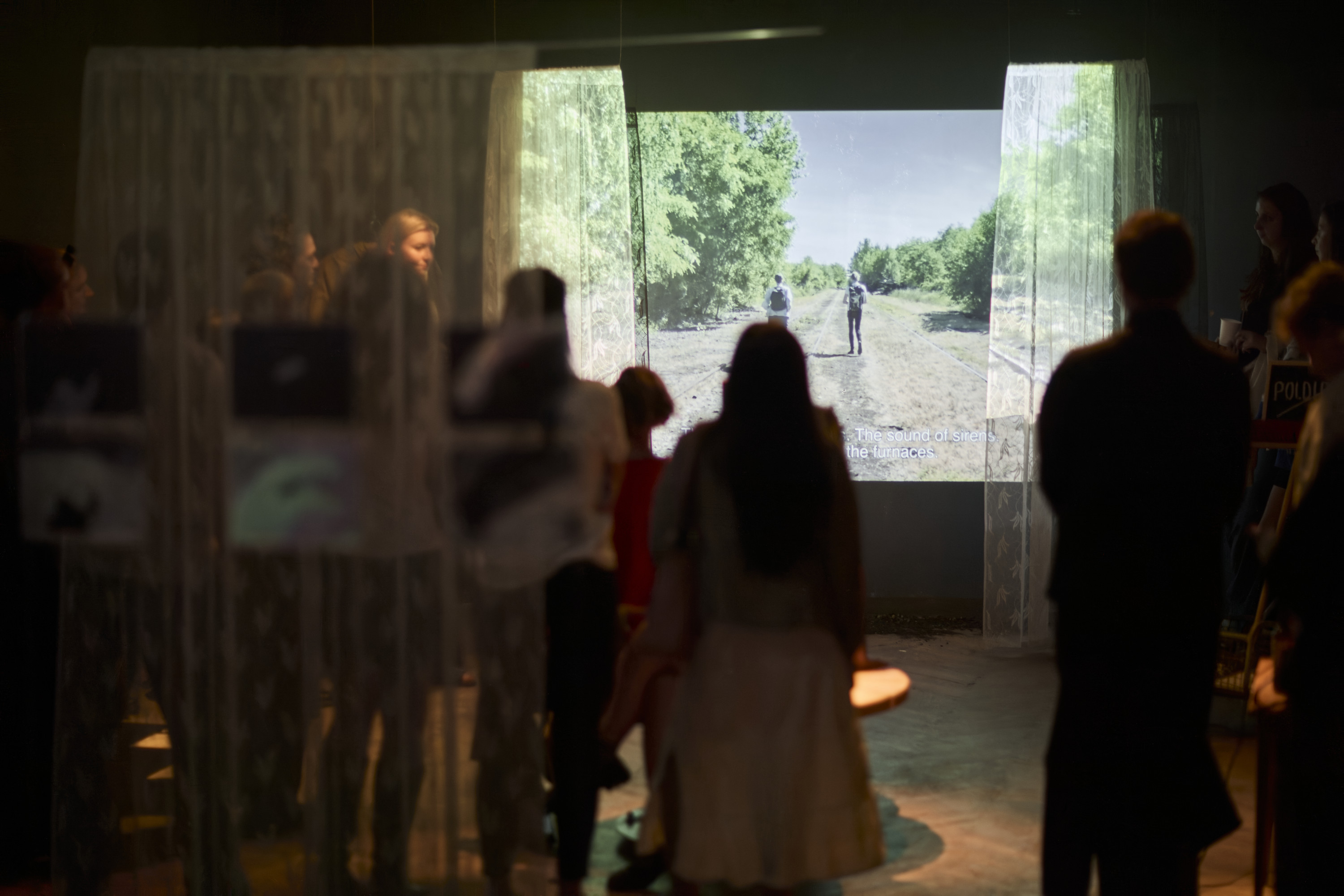
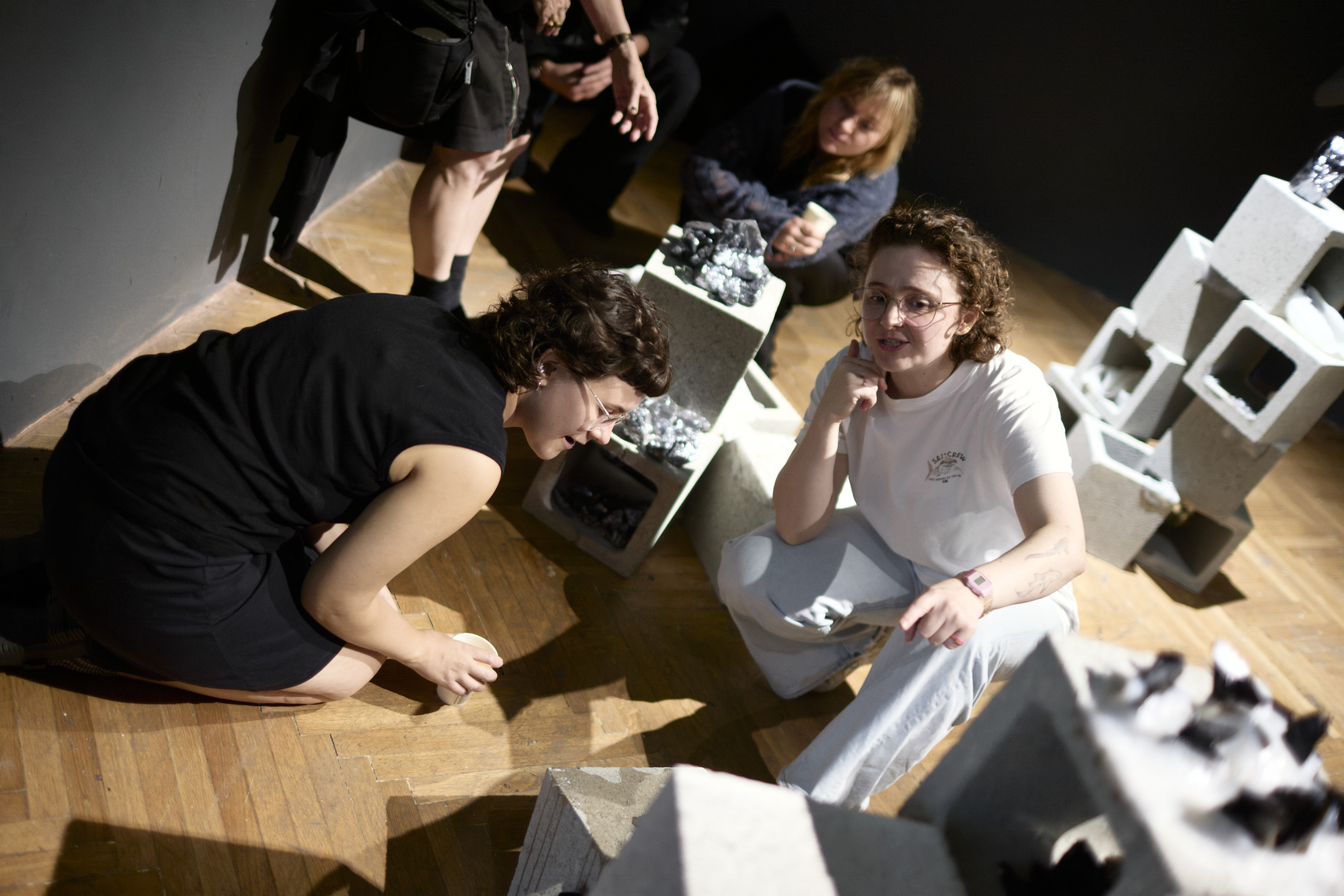
The participants present the results of a year-long process of research and collaborative artistic work in the form of an exhibition. Through stone, sand, and steel, the three resulting projects trace the trajectories of materials, landscapes, memory, and storytelling, as well as their shifting relationships between the human and more-than-human worlds.
Stone, Sand, Steel
Credits: voice: Lenka Vráblíková; recording & editing: Šárka Zahálková; sound from the installation i like it when u sand by Clara Baj, daniela brill estrada, Penelope Cain, and Seta Astreou Karides.
Three materialities and three multilayered projects that emerge from them and, at the same time, explore them through artistic and other research practices developed by a group of practitioners based across Europe. The initiating theme for the collaborative transdisciplinary exploration that connects art and science was that of the trajectory – a notion that might at first seem far removed from these seemingly static and solid materials. Yet, as the exhibited works demonstrate, the opposite is true: Stone, sand and steel are in their own right and specificity ‘vibrant matters’ – situated agents (or actants) entangled in a web of material, ecological, socio-political, cultural, affective, and imaginative relations, to borrow Jane Bennett's formulation.
The exhibition presents these materials as three distinct material regimes: traces of mnemonic, social, political, and environmental processes that reflect both human and more-than-human perspectives. Stone speaks to us of deep time and the perspectives of other entities. Sand becomes a medium of distributed movement, language, processuality, and agency. Steel, in turn, represents infrastructures, the political organisation of space, and labour on personal, social, and communal levels. The trajectories woven through these intermedial narratives invite us to critically examine the tendency to abstract materials from the specific times, places, and relations in which they are situated – a tendency deeply embedded in our political and cultural imagination of stone, sand, and steel under the extractivist regimes of late post-colonial and post-socialist capitalism. They furthermore guide us away from such abstraction towards the finer details of the material situatedness of stone, sand, and steel within local and wider geopolitical and posthuman contexts.
The exhibition therefore does not present three discrete research projects isolated from one another but an interconnected web of generative ways of thinking and imagining with and through materiality, memory, and relations. Here, the trajectories of stone, sand, and steel converge not merely as themes explored by individual works, but as distinct modalities of collective reflection on the world, its present, past, and possible futures.
Now in its third edition, Inspiration Forum Lab has developed a trajectory of its own – from Limits of Growth (2021–2022), through Bodies of Water (2023–2024), to Trajectories (2025–2026). The programme has also been an experiment in remote interdisciplinary collaboration, which is by no means an easy thing to undertake. The artists and researchers have had to find their way towards one another through shared interests and affinities, dare to step beyond their established professional identities, and seek ways of working together across distance, with only a few opportunities to meet in person. The trajectories explored in the exhibition are thus also trajectories of thought – traces of mutual influence, convergence, and divergence that gradually led to a shared resonance and made these collaborative projects possible. In this sense, they also began to conspire – in the literal sense of the word, to breathe together.
Projects
i like it when u sand (Clara Baj, daniela brill estrada, Penelope Cain, Seta Astreou Karides)
( ) in stone (Karl Kaisel, Magda Kopańska, Mana Tashakorinia)
Kladno Steel Stories Telling (Imke Hullmann, Markéta Švarcová)
The Inspiration Forum Lab is organized by Ji.hlava IDFF’s Inspiration Forum in cooperation with the Kersnikova Institute, Sensorium and Display – Association for Research and Collective Practice. The project is co-funded by the European Union.
 |
 |
 |
 |
Co-funded by the European Union.
Funded by the European Union. Views and opinions expressed are however those of the author(s) only and do not necessarily reflect those of the European Union or the European Education and Culture Executive Agency (EACEA). Neither the European Union nor EACEA can be held responsible for them.
 |
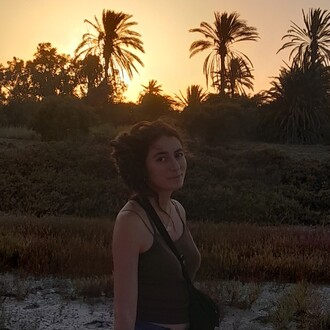
Seta Astreou-Karides
Visual artist and Performance maker
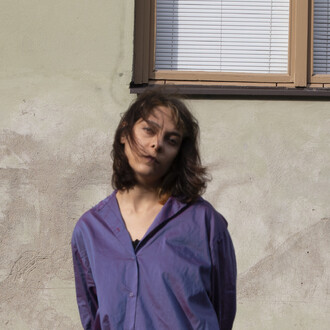
Mana Tashakorinia
Filmmaker and Researcher
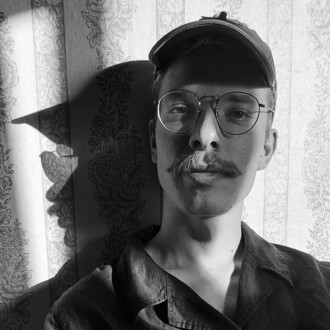
Karl Kaisl
Visual artist and Filmmaker
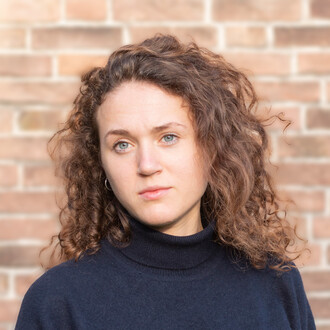
Imke Hullmann
Urban planner, Architect, and Researcher
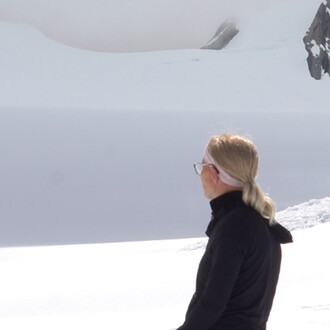
Penelope Cain
Artist
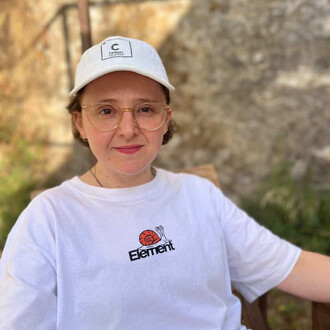
Daniela Brill Estrada
Artist and Researcher
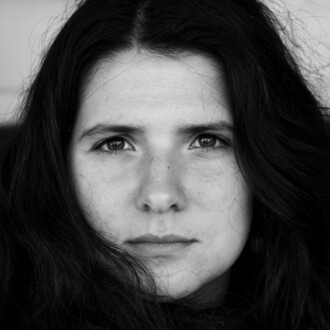
Clara Baj
Visual anthropologist and Documentary filmmaker,
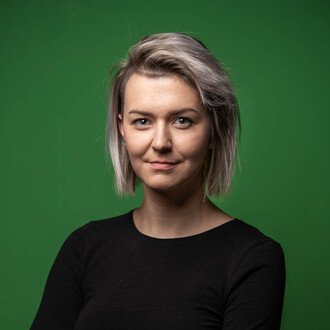
Markéta Švarcová
Sociologist and Researcher
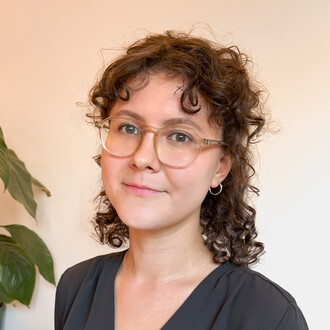
Magda Kopańska
Social anthropologist
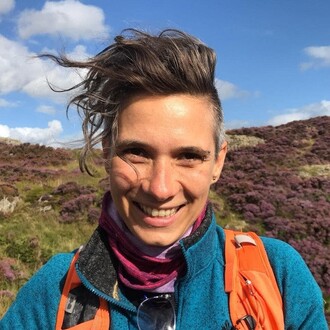
Lenka Vráblíková
Theorist of contemporary art and visual culture

Lenka Hámošová
Visual artist and researcher
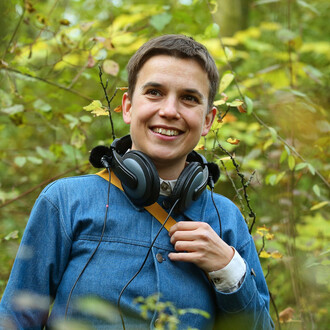
Šárka Zahálková
Artist, Curator, and Cultural manager